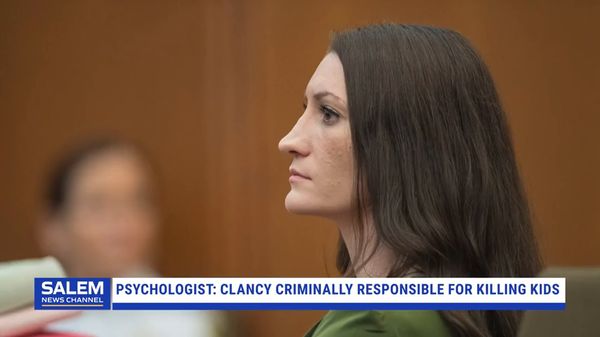



Jurors in the Lindsay Clancy murder trial are hearing from the final witnesses in a case that has largely been about her mental state when she strangled her three young children. The trial resumed Tuesday with more testimony from a forensic psychologist hired by prosecutors to assess the defense claim that Clancy was suffering from acute postpartum psychosis. Clancy’s lawyer is questioning the psychologist about his conclusions, including whether the psychologist had made up his mind before interviewing Clancy. Prosecutors are expected to call at least one more expert witness before the trial moves on to closing arguments.
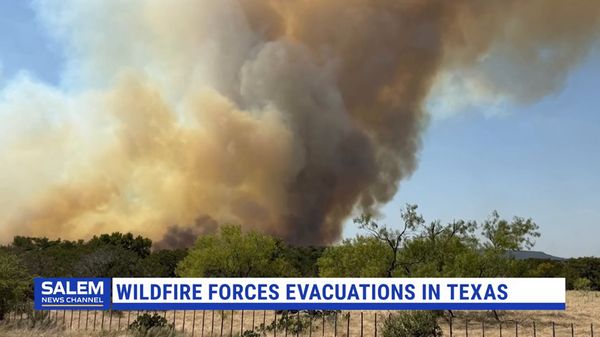
Evacuations are being ordered in rural Texas where a wildfire has quickly expanded to cover more than 78 square miles. The fire that began early Monday afternoon in a lightly populated area in north central Texas has ripped through the area. Schools are canceling classes and shelters have opened for residents and livestock. Wildfires have been popping up across the South and western U.S. in recent days as extremely dry conditions persist. The National Interagency Fire Center says a dozen new large fires were reported on Sunday alone. In Nevada, firefighters are making progress slowing down a wildfire that forced tens of thousands to evacuate in Reno over the weekend. Many are still out of their homes.
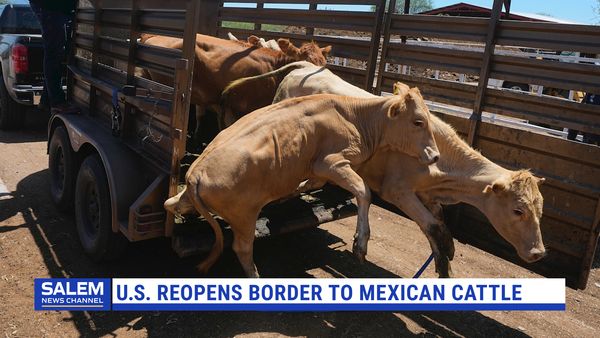
The Trump administration has reopened the Douglas, Arizona, border crossing to cattle from Mexico, beginning a phased resumption of livestock trade that officials hope will help increase U.S. cattle supplies amid historically high beef prices.
Cattle imports were halted because of concerns over the spread of the New World screwworm, a flesh-eating parasite that can infest livestock and other warm-blooded animals. The USDA says conditions have improved enough to resume limited trade through Douglas, which borders the Mexican state of Sonora.
Under the new safeguards, cattle entering the United States must undergo USDA inspections for signs of the parasite. Shipments are initially limited to about 700 cattle per day, with that number expected to gradually increase if the reopening proceeds safely.
The administration hopes additional crossings in New Mexico will eventually reopen as well. However, economists caution that Mexican imports alone are unlikely to significantly lower beef prices anytime soon because the U.S. cattle herd has fallen to 86.2 million head — its lowest level in 75 years.
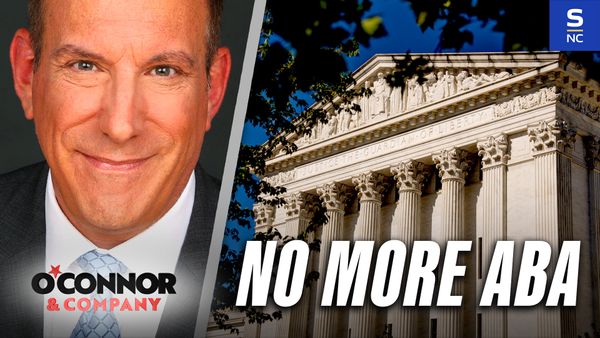
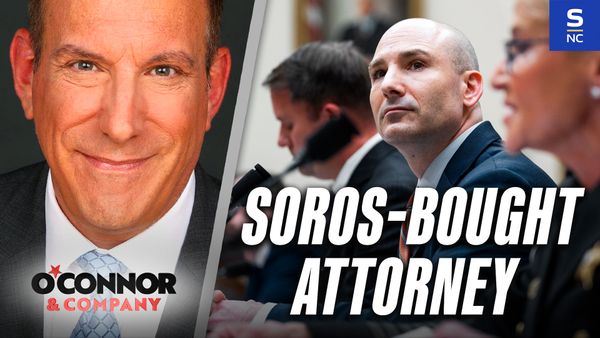
The Trump administration is advocating for the American Bar Association (ABA) to lose its authority in accrediting law schools, a power it has held for about 75 years. The ABA's control over law schools is seen as a monopoly that enforces ideological conformity, including DEI practices and racially discriminatory requirements. Critics argue that the ABA has become too political, filing amicus briefs in support of liberal causes and ranking conservative judges lower than their progressive counterparts. Alexa Moutevelis, a communications director for Protect the Public's Trust, discusses the ABA's potential loss of accreditation power and the upcoming hearing in September where the ABA will make its case for continued authority. The Department of Education will then decide whether to strip the ABA of its monopoly, potentially opening the field to other accreditors. This move aims to introduce competition and ensure that law school accreditation is not solely driven by a single, politically influenced organization.
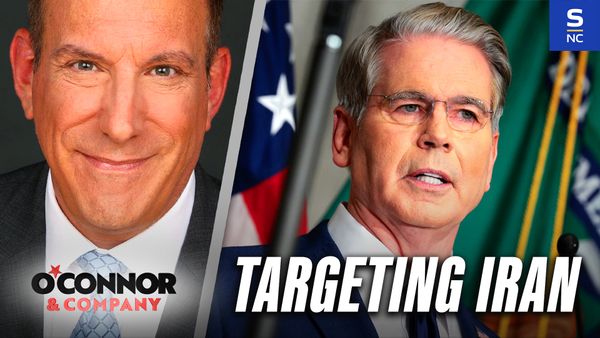
In this segment, Daniel Turner, from Power the Future, discusses Operation Economic Outcast, an initiative aimed at isolating Iran economically and ensuring global compliance with U.S. sanctions. Treasury Secretary Scott Bessent emphasizes the necessity of these measures, targeting countries that facilitate transactions supporting Iranian oil and repression. Turner highlights President Trump's broader strategy to prevent nations from disregarding international rules, using NATO funding and sanctions as examples. He argues this approach is crucial in countering China's influence and securing global oil supply. The conversation delves into potential outcomes, including China and Iran respecting sanctions, testing U.S. resolve, or facing severe consequences. Turner also anticipates the upcoming summit between President Trump and Xi Jinping, expecting oil to be a critical topic given China's reliance on imported oil and its impact on global oil prices and supply.
Sheryl Minter shares her story and the tragic murder of her daughter, Stephanie, by an immigrant who had been repeatedly released by Commonwealth Attorney Steve Descano. Minter is now actively campaigning for Descano's recall, believing he prioritizes immigration status over public safety. She explains the legal process and the need for signatures from Fairfax County to initiate a recall effort. Minter discusses her ongoing grief, her commitment to her daughter's memory, and her determination to see justice served. She emphasizes the need for fair treatment of all citizens, regardless of their immigration status.
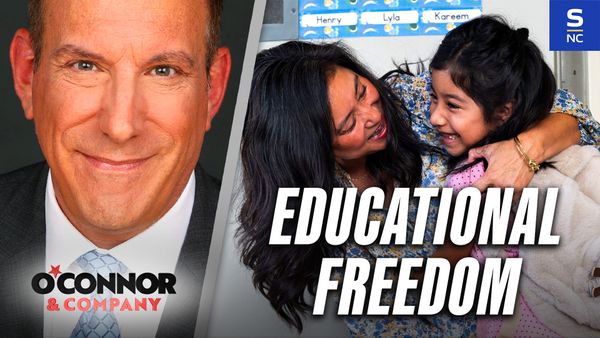
Brian Jodice, spokesperson for the American Federation for Children, joins Larry to discuss the recent announcement at the Rose Garden about education freedom under the Trump administration. They delve into the efforts of the American Federation for Children, which focuses on ensuring families have access to the K-12 educational environment that best suits their children's needs. The conversation highlights the importance of state school choice programs and the reconciliation package from the previous year, which introduced scholarships, savings accounts, and tax credits for parents opting for private education. Despite 31 governors already opting into this program, 19 states and the District of Columbia have yet to decide, leaving around 21 million students in uncertainty.
Jodice emphasizes the benefits of the Education Freedom Tax Credit, which allows donors to claim a federal tax credit of up to $1,700 for donations to scholarship-granting organizations that support private school tuition, educational resources, and tutoring. This initiative does not impact state budgets, making it a practical solution for enhancing educational opportunities. He addresses the concerns of homeschool parents, noting that while some states classify homeschools as private schools, the full scope of eligibility is pending clarification from the Treasury Department.
The discussion also covers the potential elimination of the Department of Education, with efforts underway to reduce its influence and empower families and parents. Jodice points to the American Federation for Children’s resources available at federationforchildren.org and federalscholarships.com to help families navigate these new educational opportunities and credits.
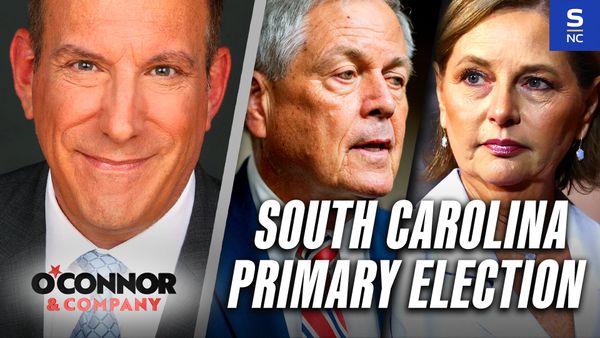
In today's political climate, South Carolina's Senate runoff between Representative Ralph Norman and Senator Darleen Graham has become a pivotal event. This race, particularly significant due to its potential impact on the upcoming general election, is the focus of this discussion. Matt Schlapp, chairman of the American Conservative Union and CPAC, joins the conversation to analyze the candidates and their implications for the conservative movement.
Schlapp highlights Norman's unwavering support for conservative values and President Trump, contrasting this with Graham's loyalty to her late brother, former Senator Lindsey Graham. The endorsement of Norman by CPAC is seen as a strategic move to ensure strong representation in the Senate, especially given the current political landscape. Schlapp emphasizes the importance of reliable, principled politicians who consistently advocate for conservative issues, suggesting that Norman embodies these qualities.
The conversation also touches on the broader midterm election outlook, with concerns about the Senate's vulnerability and the potential for Democratic gains. Schlapp discusses the importance of voter awareness and strategic thinking, particularly in swing states like South Carolina, where the outcome could significantly influence the balance of power in the coming years.
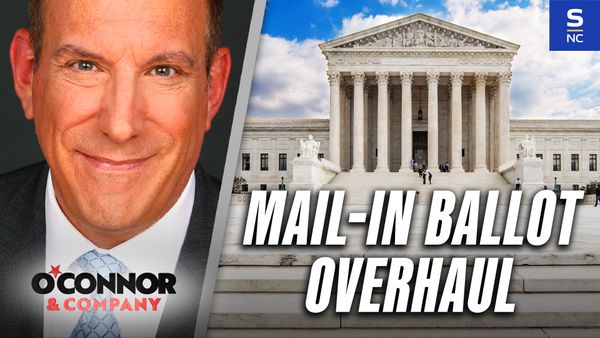
The Supreme Court recently reversed a lower court's decision to halt the president's plan for the U.S. Postal Service to manage mail-in ballots, allowing the rule to potentially go into effect. This decision has sparked significant reactions, particularly from Democrats, as it provides a pathway to regulate mail ballots with the aim of enhancing security and transparency. Don Palmer, Senior Legal Fellow for Election Integrity at The Heritage Foundation, explains the implications of this ruling and its potential impact on the upcoming election. Palmer discusses the Motor Voter Law, which mandates states to clean their voter rolls, and how the Trump administration aims to enforce this through the U.S. Postal Service. The conversation also touches on the states' reluctance to cooperate with federal efforts and the potential legal challenges that may arise as the election approaches.
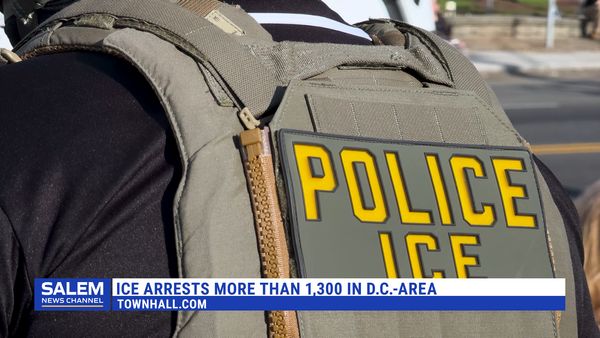
U.S. Immigration and Customs Enforcement says a major two-week enforcement operation across Virginia and Maryland resulted in 1,328 arrests, one of the agency’s largest operations in the region.
According to the Department of Homeland Security, nearly 400 of those arrested had criminal convictions or pending charges. Officials say the cases included people accused or convicted of serious crimes such as murder, sexual assault, kidnapping and other violent offenses. Gang members were also among those taken into custody.
The operation, dubbed “Operation Safe Community,” was carried out across the greater Washington, D.C., area over a 14-day period. DHS says the effort is part of the Trump administration’s broader immigration enforcement campaign targeting people living in the country illegally, including those considered public-safety threats.
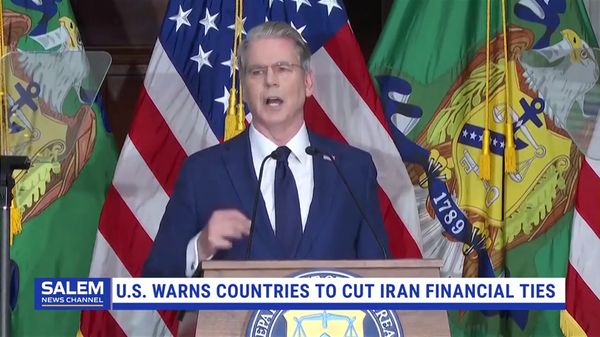
The Trump administration is warning countries around the world to sever financial ties with Iran or risk facing U.S. sanctions as Washington launches a sweeping new economic pressure campaign against Tehran.
Treasury Secretary Scott Bessent announced sanctions targeting more than 60 Iran-linked individuals, companies and vessels. The measures are part of a broader campaign dubbed “Operation Economic Outcast,” which the administration says is designed to cut off revenue supporting Iran’s government and military activities.
Bessent also put Iran’s international trading partners on notice, warning that countries continuing to do business with Tehran could eventually face secondary sanctions or lose access to the U.S. financial system. The administration is initially focusing on areas including shipping, aviation, technology, gold and digital assets.
The effort follows President Trump’s pledge to unleash an “economic D-Day” against Iran as his administration seeks to further isolate Tehran and increase pressure on its already struggling economy. Treasury officials say additional sanctions are expected as the campaign continues.
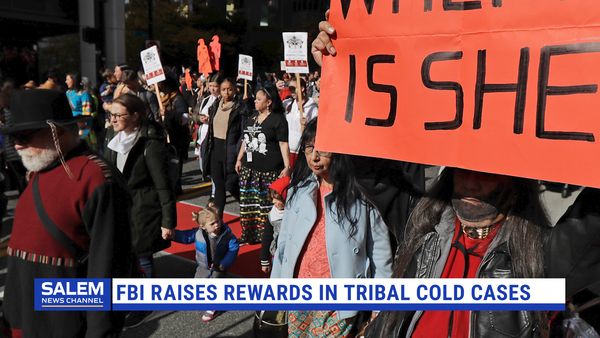
The FBI has established a new $25,000 minimum reward for information that helps solve dozens of unsolved homicides, kidnappings and missing-person cases in Native American communities. The initiative covers more than 50 cases across Indian Country, including some that have remained unsolved for decades.
The effort, called “Voices Not Forgotten,” also includes a new interactive map designed to draw greater attention to cases on tribal lands. The FBI has jurisdiction over federal crimes on nearly 200 Native American reservations and often works alongside the Bureau of Indian Affairs and tribal law enforcement.
Among the cases being highlighted are missing or murdered Native Americans from communities across the country, including 8-year-old Maleeka “Mollie” Boone of the Navajo Nation and Arizona teenager Emily Pike.
Federal officials hope the increased rewards will generate new leads, though some victims’ families and advocates say fear of retaliation and longstanding distrust of federal authorities could still discourage witnesses from coming forward.
An oil tanker has been disabled after being struck by an unknown projectile near the Strait of Hormuz, highlighting continued risks to commercial shipping as the U.S.-Iran conflict approaches the six-month mark.
The United Kingdom Maritime Trade Operations said the vessel was struck off the coast of Oman, damaging its engine room and leaving the tanker unable to operate. All crew members were reported safe, and no immediate environmental damage was reported.
The attack comes amid severely reduced shipping traffic through the critical energy corridor and escalating U.S. economic pressure on Tehran. Iran has also threatened penalties against vessels it says are violating its transit rules.
Meanwhile, Pakistani officials are reporting positive talks in Tehran as mediators continue efforts to reopen the Strait of Hormuz and bring an end to the nearly six-month conflict between the United States and Iran.
President Trump's administration made headlines with its policies on the deportation of nonviolent illegal immigrants. Over his nearly 16 months in office, the administration reported zero illegal immigrants released into the country. Critics argue that such strict policies are harsh and unjust, while supporters believe it is necessary to enforce the law and secure the nation's borders. Secretary Markwayne Mullin highlighted the impact of these policies, stating that countless lives have been spared from crime and violence because of the secured border. This debate is not new; similar policies under the Obama administration in 2010 faced similar criticism and praise. The central argument is whether providing legal status or amnesty to those here illegally encourages further illegal immigration and undermines the process for those following legal pathways. Despite differing opinions, the conversation underscores the complex nature of immigration policy and its significant implications for national security and social justice.
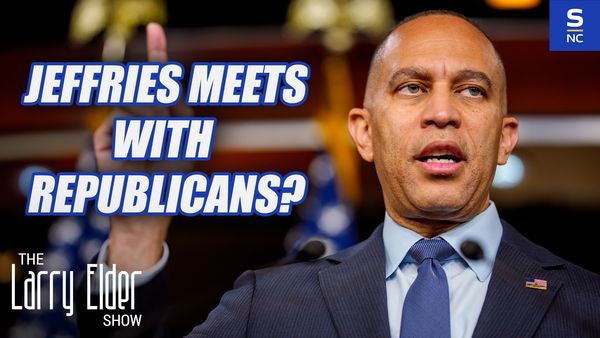
Amidst political tensions, a surprising meeting between Hakeem Jeffries, the incoming Speaker of the Democratic-led House, and Jared Kushner, advisor to President Trump, has sparked discussions. Despite Jeffries' public characterization of the Trump administration as authoritarian, he met privately with Kushner, suggesting a pragmatic approach over partisan rhetoric. This meeting highlights a potential shift in strategy, where Democratic leaders may be willing to work with the administration on certain issues, despite their public stance. Jeffries and other party leaders have not publicly labeled Trump as a fascist or Nazi, despite the strong rhetoric from some factions within their ranks. Instead, they appear to be leveraging strong language for political gain while remaining open to bipartisan cooperation. This meeting, along with Trump's efforts to combat fentanyl trafficking, underscores the complexities and nuances of current political dynamics.
Here's what's trending today with our partners at Townhall:
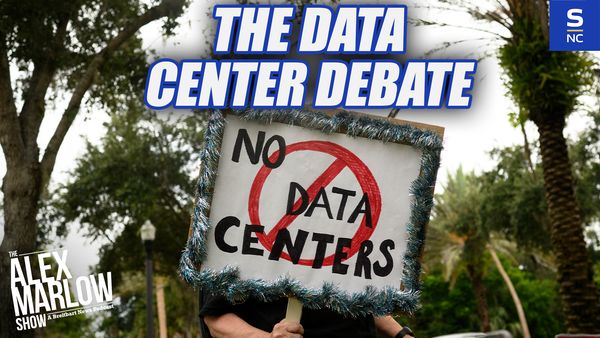
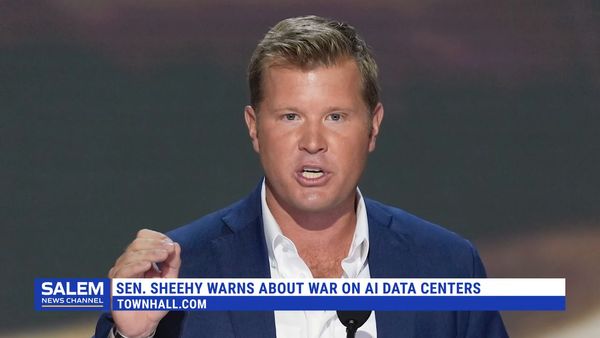
Bipartisan backlash against AI data centers is growing, with critics citing concerns over water, electricity and noise. Montana Senator Tim Sheehy is warning against restrictions, saying data centers are critical to American jobs, technology and national security.
Read more on Townhall:
https://townhall.com/news/dmitri-bolt/2026/08/24/long-live-the-luddites-n2681779
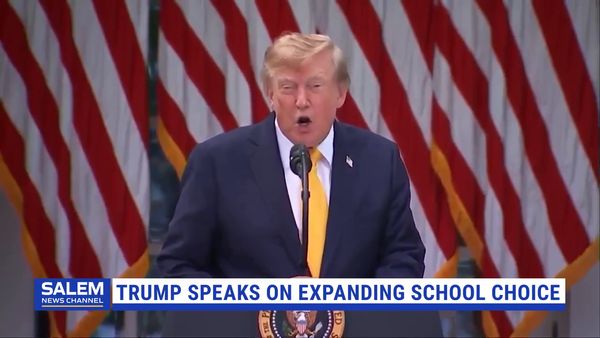
On Monday, President Donald Trump spoke to students, parents, and education advocates in the White House Rose Garden to celebrate the start of the new school year, highlighting executive orders from his administration aimed at keeping radical transgender ideology and critical race theory out of classrooms.
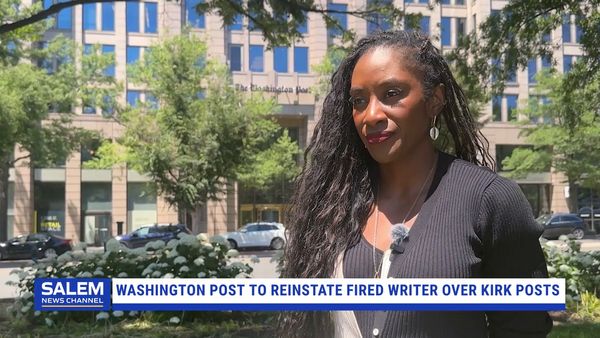
An arbitrator has ordered The Washington Post to reinstate a Black opinion writer fired over social media posts about violent white men following last year’s killing of conservative activist Charlie Kirk. In a ruling, Sarah Miller Espinosa wrote that the newspaper did not have sufficient cause to terminate Karen Attiah. Espinosa’s ruling calls for The Post to award Attiah full back pay and lost benefits. Kirk was shot and killed Sept. 10 during a public appearance at a Utah college. The Post accused Attiah of “gross misconduct.” Still, Espinosa ruled the newspaper failed to establish that and “did not have good and sufficient cause to terminate” Attiah's employment.
Aug 24 (Reuters) - The State Department on Monday removed Syria from its list of State Sponsors of Terrorism, according to a notification from the U.S. Treasury, in a move that was first announced earlier this year pending a review by Congress.
The designation as a state sponsor of terrorism carries restrictions on U.S. foreign assistance, defense exports and certain financial transactions.
Monday's announcement also removed the designation of the Nusrah Front as a Specially Designated Global Terrorist organization.
The Kevin Jackson Show is a nationally syndicated Conservative talk-radio show >>The Kevin Jackson Show is a nationally syndicated Conservative talk-radio show that is really three hours of comedy, revolving around politics and pop culture. Listen 10 minutes, and you will be hooked! <<
Broadcast from the heart of Times Square, Kevin McCullough takes America’s >>Broadcast from the heart of Times Square, Kevin McCullough takes America’s pulse — and delivers the shock it needs. <<
Jay Sekulow is widely regarded as one of the foremost free speech and religious >>Jay Sekulow is widely regarded as one of the foremost free speech and religious liberties litigators in the United States, having argued 12 times before the U.S. Supreme Court in some of the most groundbreaking First Amendment cases of the past . . . . . <<
For over 30 years, Doctor Health Radio, has been bringing you the latest on >>For over 30 years, Doctor Health Radio, has been bringing you the latest on medicine, fitness, nutrition and wellness from national medical experts, best selling authors, Hollywood health celebrities, plus our line-up of local guest experts to keep . . . <<
Ask The Doctor is hosted by Dr. Michael Lange, Board-Certified Optometric >>Ask The Doctor is hosted by Dr. Michael Lange, Board-Certified Optometric Physician (O.D.) Certified Nutrition Specialist (CNS) Founder & Clinical Director, Lange Eye Institute Founder & CEO, Fortifeye Vitamins Host of Ask The Dr. since April . . . . <<
Salem Media, our partners, and affiliates use cookies and similar technologies to enhance your browsing experience, analyze site traffic, personalize site content, and deliver relevant video recommendations. By using this website and continuing to navigate, you consent to our use of such technologies and the sharing of video viewing activity with third-party partners in accordance with the Video Privacy Protection Act and other privacy laws.Privacy Policy